
Why Blogging Matters in an Marketing
Why blogging still matters still Digital Marketing
Scroll through marketing headlines and you’ll hear the same refrain: “Video is king,” “Social is the new SEO,” “AI will replace content.” But blogs are still the strategic backbone that supports every part of a sustainable digital presence.
Digital marketing has changed. Audiences jump from social feeds to inboxes to search engines, guided by algorithms and AI suggestions. Yet at the center of every effective content strategy sits an owned space, one that shapes a company’s story, builds trust over time, and supplies the source material for AI-driven tools. Far from being outdated, blogging is still critical to visibility, credibility, and long-term growth.
The shift starts with understanding what AI actually means for small businesses today.
Why blogging is still the backbone of digital marketing
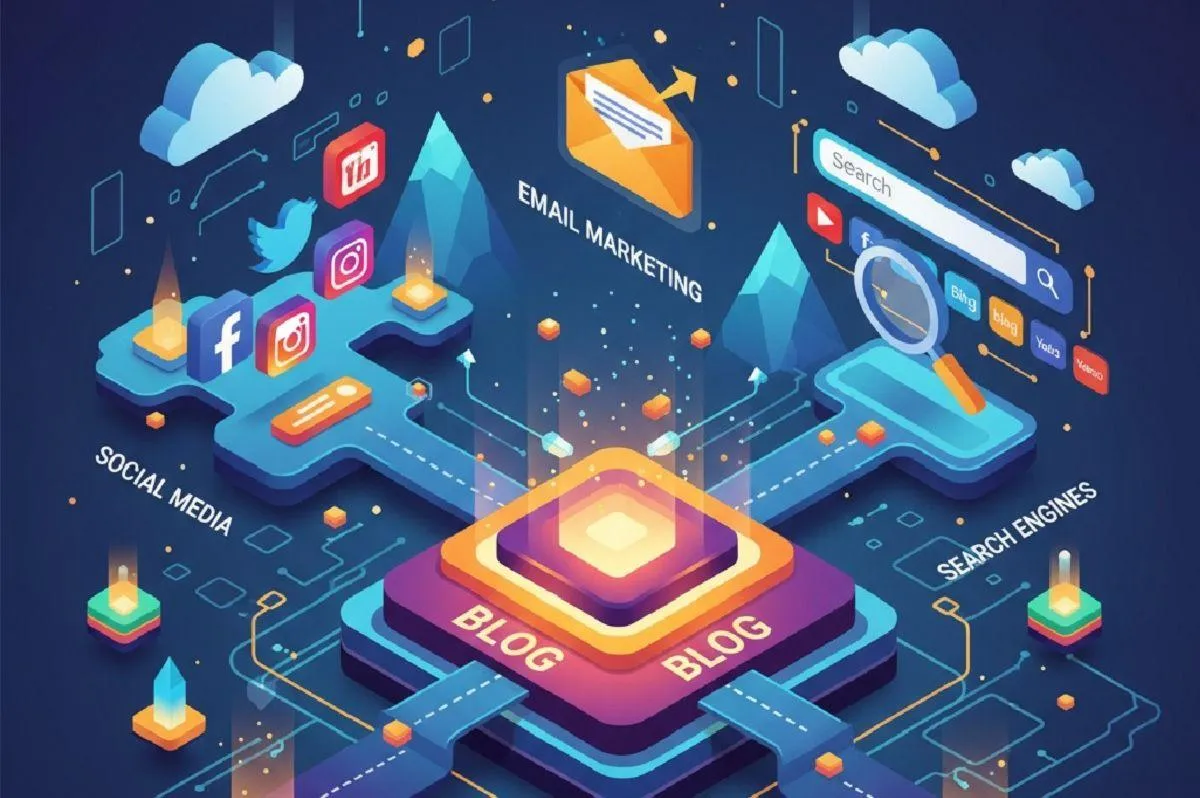
Blogging acts as a digital home base in a world where platforms and algorithms keep shifting. When a business publishes to its own blog, it creates a foundation that every other channel can build on. Social media posts, email campaigns, paid ads, and AI-powered chatbots usually trace their roots back to strong, long-form content anchored on a blog. Without this central hub, marketing efforts turn into disconnected tactics.
There’s a clear difference between writing blogs and publishing to third-party channels. Owned media, like a company blog, gives control over content, branding, and data. It’s a persistent asset that stays discoverable long after a tweet fades or an ad campaign ends. By contrast, businesses that rely only on platforms like social networks or online marketplaces live at the mercy of algorithm updates and shifting user behavior. When those platforms change the rules, attention and audience reach can vanish overnight.
Owned media, like a company blog, gives control over content, branding, and data. It’s a persistent asset that stays discoverable long after a tweet fades or an ad campaign ends.
With a blog, the business owns its audience relationships and can continually update, optimize, and use content as needs evolve. That control becomes even more valuable when budgets are tight and every marketing decision gets extra scrutiny.
A common misconception is that “people don’t read blogs anymore.” In reality, intent-driven search behavior has quietly sustained blog readership. When someone searches for answers, comparisons, or advice, they usually land on well-crafted blog posts, sometimes without realizing it. A report from HubSpot found that companies publishing regular blog content generate more leads than those who don’t.
Instead of skimming through passive social feeds, users actively engage with blog content when they’re seeking solutions or researching purchases. The blog becomes less about chasing clicks and more about meeting real business needs at critical decision points.
How blogging fuels SEO and discoverability in an AI-first world
When you consistently publish content around your core services or industry topics, you're teaching Google what you're an expert in. Each blog post reinforces your company's expertise in specific areas, making it more likely Google will show your site when potential customers search for solutions you provide. This focused content strategy helps search engines connect your business to the specific problems and questions your ideal customers are actually searching for.
High-quality blog content isn’t just for human readers, it’s also the raw material that powers AI marketing tools. For example, AI-driven content tools break down blog posts into bite-sized social updates, summaries, or email content. AI personalization engines rely on structured, informative blog articles to recommend relevant resources to different audience segments. The stronger and more thoughtful the original blog content, the more effective these AI tools are at automating outreach and tailoring experiences across channels.
The most strategic aspect of blogging shows up in its compounding impact. Unlike social posts or paid ads, which spike and fade within hours or days, evergreen blog articles keep attracting organic traffic for months or even years. Research from Content Marketing Institute shows that a majority of marketers cite blog content as a top source of ongoing inbound traffic.
The value of each post grows over time as it earns links, shares, and search visibility. In contrast, the short life of paid ads and social updates demands constant reinvestment for a fraction of that long-term impact.
Blogging as a trust and thought leadership engine
A blog is more than a content repository, it’s a place to show expertise and build trust at every touchpoint. Instead of simply promoting products or services, organizations can use blogs to answer real-world questions in depth. This approach goes beyond surface-level promotion, offering readers practical insights and solutions that address specific challenges. When someone searches for a how-to guide or an expert opinion, a thorough blog post can be the first step in building a trusted relationship.
Storytelling and opinion-driven narratives further set blogs apart from other formats. Sharing lessons learned, industry commentary, or behind-the-scenes perspectives not only humanizes a brand but also creates a distinctive point of view. For instance, a manufacturing firm might publish a series of case-style articles detailing lessons from recent projects, or a professional services provider could offer commentary on regulatory changes and what they mean for clients.
This type of content creates emotional resonance, letting readers connect with the people and philosophy behind the business.
Insightful, consistent blogging builds brand trust long before someone becomes a customer. Research from Edelman’s Trust Barometer shows that audiences are more likely to buy from companies they see as knowledgeable and transparent. By publishing valuable, well-crafted blog content, businesses stay present in the minds of prospects throughout the buyer journey, from initial awareness to consideration and beyond. Even those not ready to make a purchase will remember where they turned for real expertise when the time comes to decide.
Turning blog content into a multi-channel AI-powered asset
One strong blog post is rarely confined to a single channel. Instead, it becomes a flexible asset that you can repurpose and amplify across a fragmented digital landscape. Key insights from a blog can turn into social media snippets, email newsletter features, video scripts, podcast talking points, or downloadable resources. This multiplies the reach of the original work while keeping messaging consistent everywhere an audience might engage.
AI tools make this repurposing process faster and more practical. Modern platforms can quickly summarize lengthy posts for time-pressed readers, adapt content into different formats for LinkedIn, Instagram, or YouTube, and personalize messages based on user behavior or interests. For example, content optimization tools use AI to identify which sections of a post are most relevant for different customer personas, helping marketers deliver the right message at the right moment without starting from scratch.
Getting value from blogging in an AI-powered world doesn’t require a technical overhaul, but it does demand intention and consistency. Start by mapping out topics that address real customer challenges or industry shifts. Publish regularly, focusing on quality over quantity. Then track basic metrics such as organic traffic, engagement time, and lead inquiries to understand which topics resonate most.
Over time, these data points guide smarter content strategies, so the blog stays both a creative engine and a measurable business asset.
Why blogging still matters for long-term marketing success
Despite the churn of digital trends, blogging has proven to be a resilient cornerstone of marketing strategy, anchoring brand presence, fueling discoverability, and building trust in a noisy, AI-driven world. While algorithms and platforms change, the need for authoritative, owned content stays constant.
Auditing your current approach and investing in meaningful, search-friendly blog content isn’t just “keeping up,” it’s laying the groundwork for every other marketing initiative to succeed. In a landscape defined by constant change, the companies that treat their blogs as living, evolving assets are the ones best positioned to adapt and lead.
